When Google flipped the switch on June 16, 2026, it didn't just push another incremental update. It launched Android 17, a major overhaul that redefines how we multitask, create content, and manage privacy on our phones. The stable release is rolling out now to supported Pixel smartphones and tablets via over-the-air updates, marking the end of a months-long beta period.
Here’s the thing: this isn’t just about new icons or a tweaked settings menu. Android 17 introduces Seang Chau, VP and GM of Android Platform's vision for an OS that acts more like an intelligent assistant than a passive tool. With features like Gemini Intelligence handling complex tasks and "App Bubbles" letting you float any app on your screen, the way we use our devices is shifting dramatically.
The Multitasking Revolution: App Bubbles and More
If you’ve ever wished you could keep a map open while chatting in WhatsApp without constantly switching apps, Android 17 finally delivers. The headline feature here is App Bubbles. Previously, floating chat heads were mostly reserved for messaging conversations. Now, you can long-press almost any app on your home screen and turn it into a movable bubble. These bubbles sit on top of everything else, allowing for true multitasking.
On larger screens—like the Pixel Fold or Pixel Tablet—these bubbles organize themselves into a dedicated "Bubble Bar" in the bottom-right corner. It’s a small change in interface, but a massive leap in utility. You can drag them around, expand them when needed, and dismiss them with a swipe. It feels less like using a phone and more like having a desktop experience in your pocket.
But wait, there’s more for creators. Android 17 introduces Screen Reactions, a feature that lets you record your screen and your selfie camera simultaneously. No green screen needed. The system automatically creates a picture-in-picture effect, making it incredibly easy to produce reaction videos or tutorials directly from your device. Combined with a redesigned screen recorder featuring a floating pill interface, Google is clearly targeting the creator economy.
AI Integration: Gemini Intelligence Takes Center Stage
The real twist is how deeply AI is woven into the fabric of Android 17. Gemini Intelligence isn't just a chatbot tucked away in an app; it’s becoming an advanced agent capable of handling multi-step tasks across different applications. Imagine asking your phone to "book a flight to Paris, find a hotel near the Eiffel Tower, and add both to my calendar." In previous versions, that would require opening three different apps. With Android 17, Gemini handles the heavy lifting.
This capability debuts exclusively on select Galaxy and Pixel smartphones before rolling out to other Android devices later. There’s also Rambler, an AI-powered feature for Gboard that converts natural language prompts into composed text. If you’re struggling to phrase an email or a message, Rambler helps you write it out naturally. And for those of us battling doomscrolling, there’s Pause Point. This feature interrupts distracting apps with a 10-second timer splash screen, giving you a moment to rethink your intention before diving back in. It’s a subtle nudge, but potentially a powerful one for digital well-being.
Security, Privacy, and Performance Tweaks
While flashy AI gets the headlines, the under-the-hood changes are where many users will feel the impact. Android 17 implements strict app memory limits to ensure no single app hogs too much RAM, which should improve overall device performance and battery life. It’s a welcome fix for older devices that tend to slow down as they age.
Privacy controls have also been tightened. Apps can now request temporary location access for one-time use only, rather than demanding permanent permission. Similarly, you can share specific contacts with an app instead of granting access to your entire address book. For lost devices, the Mark as Lost mode in Find Hub now requires biometric authentication. So even if someone has your passcode, they can’t easily access your data or turn off tracking without your fingerprint or face ID.
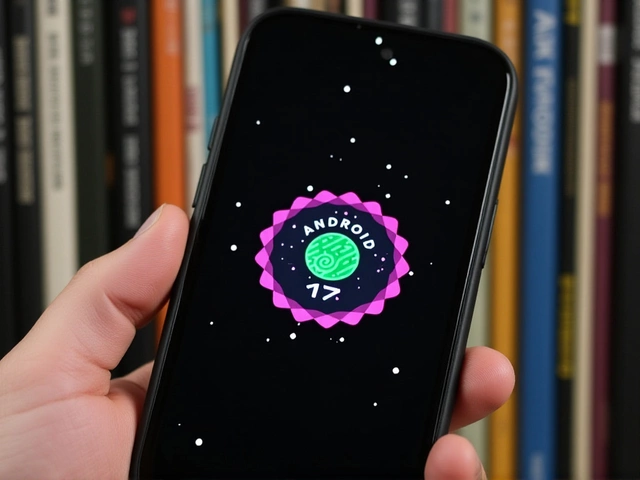
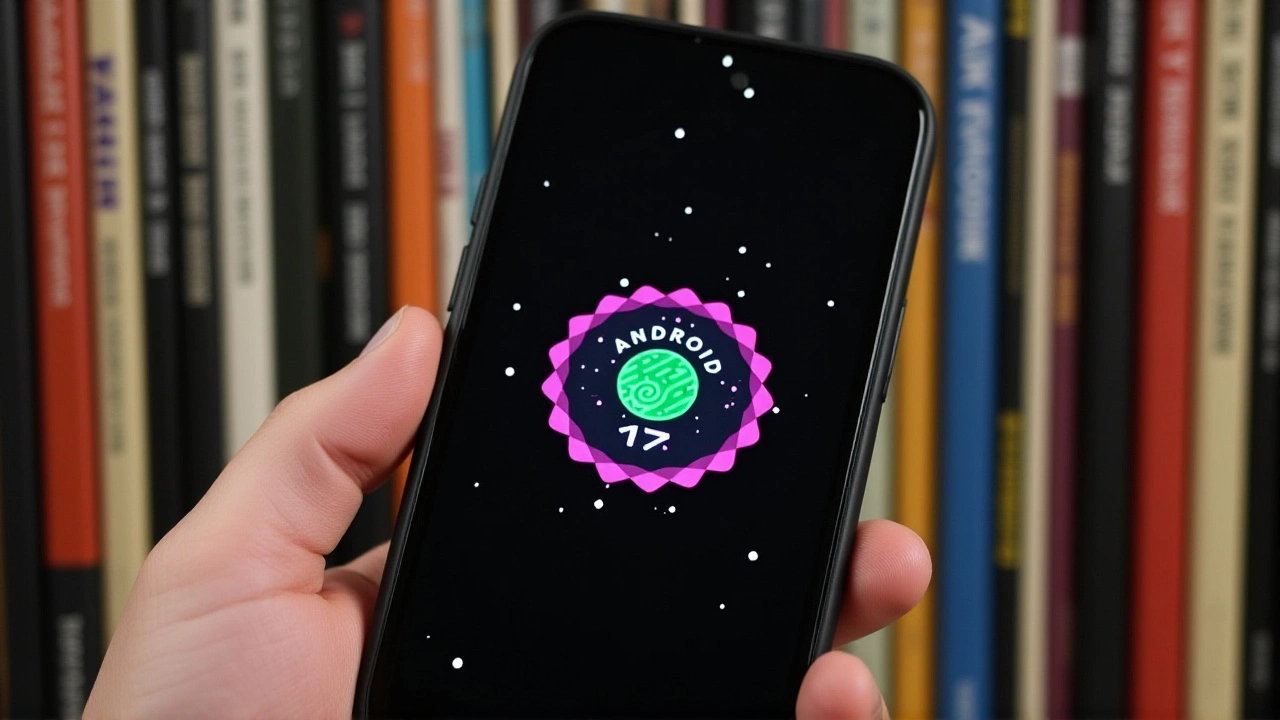
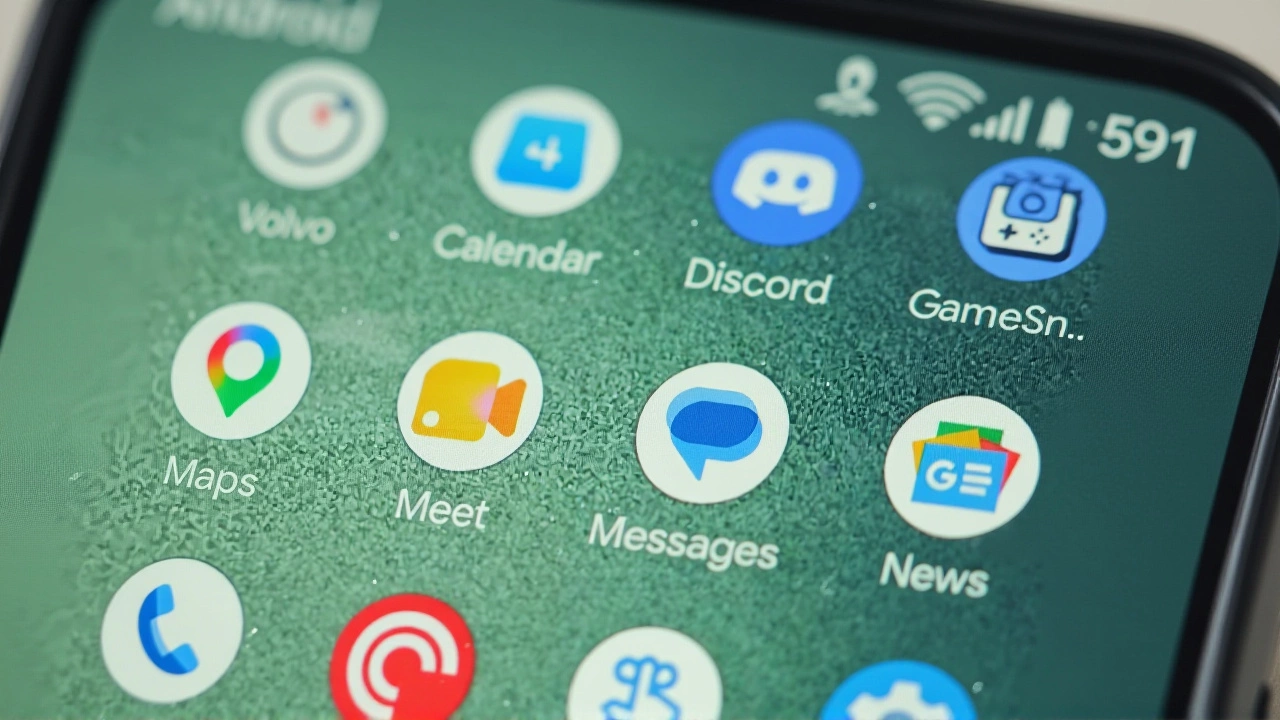
Other notable tweaks include the ability to hide app names on your home screen for a cleaner look, expanded dark theme controls per app, and split Wi-Fi and Mobile Data toggles in Quick Settings. Oh, and yes, there’s an Easter egg. Tap the "17" repeatedly in Settings > About phone to connect all the dots—a fun nod to tradition after a three-generation hiatus.
Who Gets Android 17? The Rollout Timeline
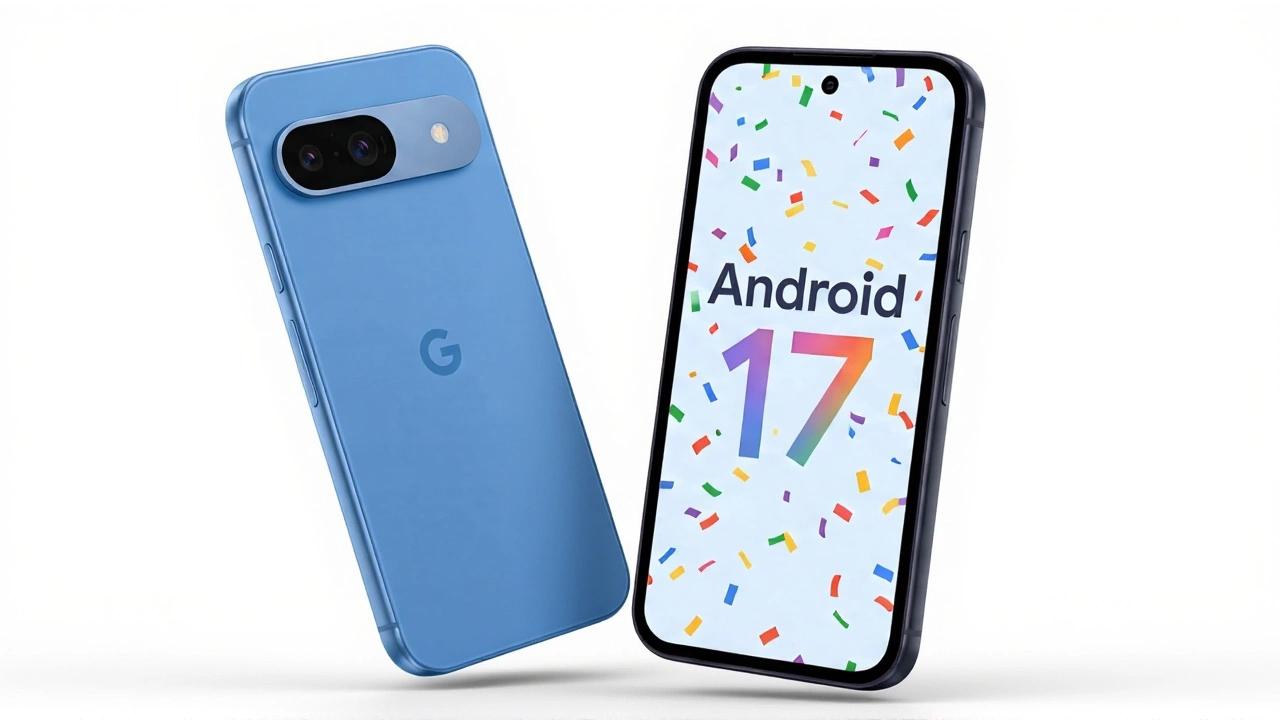
As expected, Pixel devices get first dibs. The rollout began on June 16, 2026, and includes every Pixel model from the Pixel 6 series onward. That means the Pixel 6, 6 Pro, 6a, 7, 7 Pro, 7a, Fold, Tablet, 8, 8 Pro, 8a, 9, 9 Pro, 9 Pro XL, 9 Pro Fold, 9a, 10, 10 Pro, 10 Pro XL, 10 Pro Fold, and 10a are all eligible. The update will continue rolling out throughout 2026.
For developers, Android 17 is available via Android Studio Meerkat | 2024.3.1 with the "Baklava" system image. Non-Pixel Android phones will receive the update according to their manufacturers' schedules, typically a few months after Google's own devices. Alongside Android 17, Google is also rolling out Wear OS 7 for smartwatches, ensuring your wrist stays in sync with your pocket.
Frequently Asked Questions
Is Android 17 available for non-Pixel devices?
Yes, but not immediately. While Pixel devices received the stable release on June 16, 2026, other Android manufacturers (like Samsung, OnePlus, and Xiaomi) will roll out Android 17 to their compatible devices based on their own timelines. This usually happens a few months after Google's initial launch.
What is Gemini Intelligence in Android 17?
Gemini Intelligence is an advanced AI agent integrated into Android 17. Unlike simple voice assistants, it can handle complex, multi-step tasks across different apps. For example, it can book travel, schedule meetings, and manage emails in one go. It currently debuts on select Pixel and Galaxy devices before expanding to other Android phones.
How do App Bubbles work?
App Bubbles allow you to minimize any app into a floating window that sits on top of other content. To use it, long-press an app icon on your home screen and tap the new bubble button. On foldables and tablets, these bubbles organize into a "Bubble Bar" for easier management. It’s ideal for multitasking, like keeping a video call visible while browsing.
Does Android 17 improve battery life?
Indirectly, yes. Android 17 introduces strict app memory limits to prevent individual apps from consuming excessive RAM. This optimization helps preserve battery life and improves overall device performance, especially on older models like the Pixel 6 series that might otherwise struggle with resource-heavy applications.
What is the "Pause Point" feature?
Pause Point is a digital well-being tool designed to combat doomscrolling. When you open a distracting app, it displays a splash screen with a 10-second timer. This brief interruption gives you a moment to reconsider your intention before fully engaging with the app, helping users maintain better control over their screen time.